

September 2024
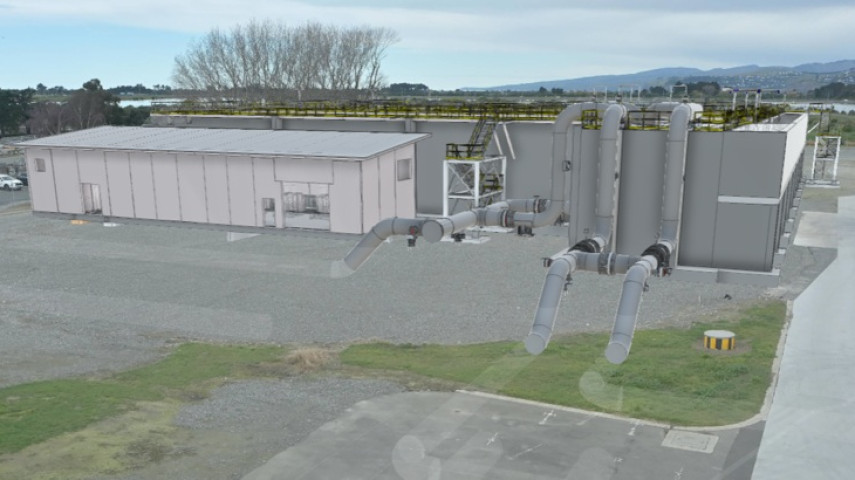
Design consultant engagedAecom has been engaged to provide the detailed design of the Activated Sludge Plant.
November 2024
Demolition of trickling filters beginsWork to demolish the trickling filters started on 21 November 2024. Southern Demolition is carrying out the work, which is expected to take around five months to complete.
February 2025
Design scope confirmedAll relevant design elements confirmed.
March 2025
Demolition of trickling filters completeDemolition of the trickling filters was expected to be complete by April.
May 2025
Site prepared for constructionThe site will be prepared and made safe, ready to be handed to the main contractor.
May 2025
Structural design completeThe majority of the activated sludge reactor design is complete and ready for tender.
September 2025
Mechanical and electrical design completeThe entire design for the activated sludge reactor, including mechanical and electrical components, is complete.
November 2025
Main contractor awardedThe main construction contract awarded to HEB Construction.
January 2026
Site establishmentThe main contractor will set up on site in preparation for construction.
February 2026
Construction beginsConstruction of the activated sludge reactor begins, with the bulk earthwork started. This will be completed in four stages and is expected to finish around early April 2026 .
April 2026
- The installation of approximately 1400 stone columns begins. This will take approximately four months to complete.
- Installation of the reactor discharge pipe and the Returned Activated Sludge (RAS) line commences. This is expected to be completed in late October.
June 2026
Work to install an engineered gravel platform begins.
August 2026
- The engineered gravel platform work is expected to be completed.
- Construction of the concrete structure for the new reactor begins. This is a major part of the project and will take around one year to complete.
October 2026
- Installation of the reactor discharge pipe and the Returned Activated Sludge (RAS) line expected to be completed.
- The process to install the supply pipes from the existing pump station to the new plant begins. Due to the pipes’ depth, sheet piling will be required for all underground pipes. This will be completed around March 2027.
2027
- Construction of the blower hall begins. This will house the blowers and electrical room. It will be constructed with precast concrete panels. This will take around four months to complete.
- The installation of the supply pipes from the existing pump station to the new plant will finish up around March.
- The blower hall is expected to be completed around April.
- Installation of all the equipment and pipes required to operate the new plant will commence. This will start with the blower hall fit-out and then move on to the reactor.
- Pumps and pipework in the existing pump station will be replaced to accommodate the new plant.
- Construction of the concrete structure for the new reactor is expected to be completed around August 2027.
2028
Commissioning process begins- Commissioning the new plant and replacing the remaining two pumps in the pump station will begin. This will enable us to shut down the existing temporary activated sludge plant and prepare to return the two clarifiers to their original purpose.
- Removing the temporary plant and making any repairs to the clarifiers and other equipment to return them to normal duty.
- The entire project is expected to be completed in late 2028.